BLUE POINT Autonomous Rail Switch Heating Keeps Trains Moving Canadian winters don’t just challenge...
Verify Rail Switch Heat Functionality in August
For many rail operators, winter preparation begins in August and September—months before the first snow, ice, or freeze-thaw cycle affects the network.
The means:
August is when winter reliability begins. Verify rail switch heater functionality without inspecting every switch.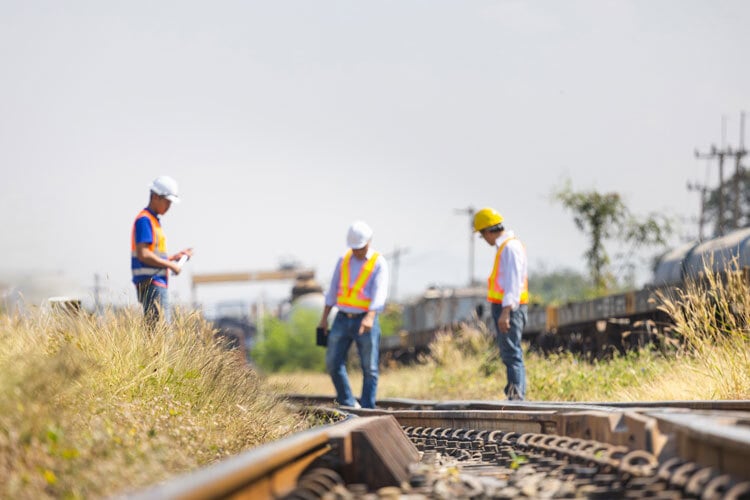
Maintenance teams begin inspecting rail switches, testing heating systems, verifying controls, and identifying equipment that may need attention before winter. Across a large rail network, this process can require hundreds of labor hours and repeated trips into the field.
Remote rail switch heater monitoring offers a more efficient approach.
By giving maintenance teams visibility into rail switch heater functionality before technicians are dispatched, NIBE Rail North American’s intelligent monitoring can help accelerate winter readiness, reduce unnecessary onsite inspections, and direct skilled labor toward the equipment that actually requires attention.
Why Rail Winter Readiness Begins in August
Reliable winter rail operations depend heavily on the inspection, testing, and commissioning work completed during late summer and early fall.
Before winter arrives, maintenance teams need to:
- Confirm that rail switch heaters are operational
- Verify controller and power status
- Test alarms and communications
- Identify failed components
- Document system condition
- Prioritize repairs before colder weather develops
Traditionally, much of this work requires crews to travel to each switch location, implementing track flaggers, and then manually confirm whether the equipment is working. For systems with dozens or hundreds of heated switches, this creates a significant seasonal workload.
The Limitations of Manual Rail Switch Heater Inspections
Onsite inspection remains necessary for physical maintenance, repairs, and certain safety checks. But using field visits as the primary way to determine heater functionality can be time-consuming and inefficient.
A manual inspection may involve:
- Mobilizing track safety flaggers
- Scheduling and dispatching crews
- Traveling between switch locations
- Securing track access
- Testing heater operation
- Checking control equipment
- Recording results
- Returning later when a fault requires additional work
In many cases, a manual inspection confirms that the system is operating normally. That means that skilled maintenance personnel have expended a lot of time and energy traveling to, and checking, equipment that did not require service.
How Remote Monitoring Accelerates Winter Readiness
Remote monitoring allows maintenance teams to begin the winter inspection process before anyone enters the field. Systems can be configured to enable operators to remotely review information such as:
- Heater operating status
- Controller status
- Power availability
- Communications health
- Active alarms
- Reported faults
- Equipment requiring further investigation
This visibility helps teams separate operational equipment from locations that require onsite attention. Instead of inspecting every switch with the same level of effort, maintenance managers can prioritize field work based on system data. That can shorten the pre-season inspection cycle and help rail operators move more quickly from system assessment to repair and winter commissioning.
Optimizing the Rail Maintenance Workflow
The greatest value of remote monitoring is not simply that it reduces site visits; it improves the entire maintenance workflow.
A traditional workflow may look like this:
Dispatch a maintainer → inspect the rail switch → identify a fault → schedule a repair → return to the site
With remote monitoring, the process can begin differently:
Review system status → identify likely faults → prepare the appropriate personnel and parts → dispatch the team to the switch requiring service
This gives maintenance teams more useful information before they arrive onsite.
It can also help rail operators:
- Reduce unnecessary travel
- Limit repeated inspections
- Improve work-order prioritization
- Prepare the correct replacement parts
- Assign the appropriate technical resources
- Complete more winter preparation work with available staff
The goal is not to eliminate field inspection. It is to make every field visit more purposeful.
How NIBE Supports Remote Rail Heating Diagnostics
NIBE Rail Solutions’ BLUE POINT platform combines intelligent switch heating control with remote monitoring, alarms, and diagnostic visibility. During pre-season testing and commissioning, maintenance teams can use the system to evaluate heater and control status, identify reported faults, and prioritize equipment that may need onsite attention.
This helps operators move beyond a maintenance model in which every turnout must first be treated as an unknown.
Rather than asking:
“Which turnouts should we inspect?”
Teams can begin with a more useful question:
“Which turnouts are showing signs that they need attention?”
That distinction can save substantial labor across a large rail network while helping maintenance teams complete winter-readiness activities more efficiently.
Remote Monitoring Provides Value Throughout the Winter
Remote visibility continues to support operations after the pre-season inspection period ends. Throughout the winter, maintenance teams can use BLUE POINT system data and alerts to:
- Confirm heater operation
- Investigate alarms
- Identify emerging problems
- Diagnose conditions before dispatching crews
- Reduce routine verification visits
- Respond more quickly when intervention is required
This helps to improve operational awareness while helping maintenance teams focus on higher-value preventive and corrective work.
Remote monitoring gives rail maintenance teams real-time visibility into heater functionality—from August winter prep through the entire winter season. BLUE POINT’S pulse width modulation (PWM) control method regulates heater output based on actual conditions. Combined with intelligent weather-responsive controls, the system delivers heat only when necessary to maintain reliable switch operation while significantly reducing energy consumption.
Accelerating Winter Readiness Through Better Information
The work that determines winter rail reliability often begins months before temperatures fall.
Remote monitoring helps rail operators accelerate that work by providing earlier visibility into heater functionality, improving maintenance prioritization, and reducing the need to manually inspect every location simply to confirm operating status.
By combining intelligent heating controls with remote monitoring and diagnostics, NIBE helps rail operators optimize both sides of winter reliability:
- How rail switch heaters operate during winter
- How maintenance teams inspect, commission, and support those systems before and during the season
Better winter performance does not begin with more field visits. It begins with better information—and a maintenance workflow built around knowing where attention is actually needed.
Learn more about NIBE’s BLUE POINT Automated Switch Heating Control System and how intelligent automation is helping rail operators reduce winter maintenance workload while improving winter reliability. Want to learn more about how we can help you optimize winter prep? Contact our engineering team today.